


How do you know when relationship stress has moved beyond a rough season and into something that needs real support? That question sits heavily with many couples, especially when love is still present but communication keeps breaking down or emotional distance starts to grow.
Knowing when to go to couples therapy is not always simple, because many relationships do not fall apart all at once. More often than not, they wear down slowly and steadily through unresolved hurt, miscommunication, unmet needs, and patterns neither person fully knows how to change.
That is one reason couples therapy can be so valuable. It is not only for relationships in crisis, but even for couples who recognize destructive cycles early. This can help them rebuild trust and learn healthier ways to communicate before more serious damage takes root.
In such cases, Christian counseling can also provide a space to work through these struggles with guidance that reflects biblical values and a deeper focus on healing, restoration, and spiritual alignment.
This matters because many couples wait too long because they assume things will improve on their own or fear that asking for help means the relationship has already failed. But actually, seeking help can be a wise and hopeful step, especially since Christian counseling not only supports the relationship itself, but the spiritual foundation beneath it.
When to Go to Couples Therapy: Ways to Know That it is Time

It is not always easy to recognize when to go to couples therapy, especially when a relationship still has love, history, and a desire to make things work. A lot of couples assume they should wait for a major crisis, but the better approach is to notice the patterns that keep causing pain and confusion.
Here are the signs that typically show it is time to get support.
1. When the Same Arguments Keep Repeating
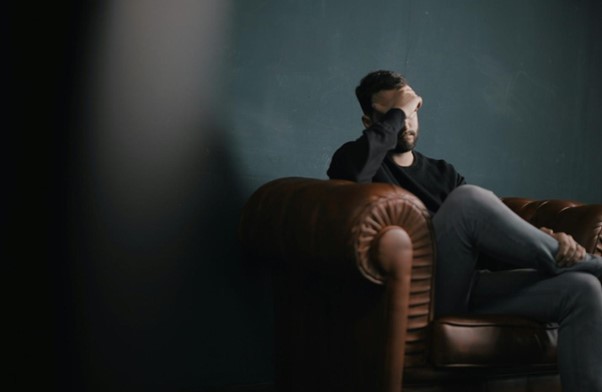
One of the clearest signs that a couple may need support is repeated conflict that never truly gets resolved. The issue may look different on the surface each time, but the emotional pattern stays the same. One person withdraws, the other presses harder, and both leave the conversation feeling unheard.
As time passes, this cycle can lead to exhaustion, resentment, and a growing sense that nothing will ever change. That is usually the point where couples begin asking themselves is couples therapy worth it.
In many cases, this is exactly when to go to couples therapy rather than waiting for the damage to deepen. Therapy can help identify the pattern beneath the argument instead of only focusing on the latest disagreement.
It can also give both partners language for what they are actually experiencing, which may reduce blame and open the door to more honest communication. The point is not simply to argue less, but to understand each other more clearly and respond in healthier ways.
Even research supports the value of getting help before the relationship becomes too hardened. A study reports that over three-fourths of those receiving marital or couples therapy report an improvement in the couple relationship. It also states that over 98% of clients rate therapy services as good or excellent. Those numbers matter because recurring conflict may convince couples that improvement is impossible.
On the other hand, repeated arguments typically signal not the end of the relationship, but the need for guided support that can help both people break old cycles and rebuild connection with greater clarity.
In a Christian counseling setting, that support can also help you and your loved one examine those patterns through a biblical lens. This encourages healing, humility, and healthier ways of relating that honor both the relationship and your faith.
2. When Emotional Distance Starts Replacing Real Connection

Some couples do not fight loudly or frequently, yet something still feels deeply wrong. The conversations become less meaningful, affection becomes inconsistent, and time together becomes empty or avoided. Emotional distance can be easy to dismiss because it does not always look impactful from the outside, but it can slowly weaken the relationship from within.
When closeness keeps fading, it becomes important to ask not only what is happening, but why go to couples counseling before that distance hardens into indifference.
This is mostly a sign that the relationship needs more than good intentions. Emotional disconnection usually grows from unaddressed hurt, chronic stress, broken trust, or long-standing patterns that both people have learned to live around instead of working through.
Meanwhile, a faith-based counselor can help both partners explore those patterns with greater spiritual insight, personal accountability, and a clearer path toward restoration.
On this note, any reliable practice approaches marriage therapy with a focus on helping couples recognize conflict, assess relationship dynamics, and develop goals that support healing and restoration. That kind of support can matter greatly when a couple still wants connection but no longer knows how to reach it on their own.
3. When One or Both Partners Keep Asking if Help is Needed

Sometimes the sign is not a major event at all. Sometimes, it is the question itself. If you keep wondering, should I go to couples therapy, that question may already be telling you something important. People usually do not ask without reason. They ask it because the relationship is stuck, painful, confusing, or harder to manage than it should be.
Even if both partners still care deeply, uncertainty can become its own burden when there is no clear direction for change.
This matters because couples tend to delay help while waiting for a moment that looks serious enough to justify therapy. When you think about it, uncertainty can be reason enough to seek support. Therapy does not only serve couples in open crisis, but can also help couples who sense that something is off but cannot fully explain it. That early awareness can be a strength, not a weakness.
Research also supports the effectiveness of intervention, since a published study in 2020 concluded that couples therapy has large effects across key relationship outcomes and that gains are generally maintained over short- and long-term follow-up. That is important for couples who feel unsure about whether therapy would truly help.
If the question keeps returning, it may be worth taking seriously. It is usually that repeated inner prompting, and for some couples even spiritual conviction, that reflects a relationship needs support before pain turns into disconnection or hopelessness.
This is where Christian counseling can offer a meaningful place to respond to that prompting with guidance rooted in faith and restoration.
A Wise Next Step Can Still Change the Story
Knowing when to go to couples therapy mostly begins with noticing what keeps happening between you and your partner, not only what you wish would stop. Repeated conflict, emotional distance, lingering uncertainty, and the fear that the relationship may be running out of road are all signs worth taking seriously.
However, keep in mind that therapy does not mean the relationship has failed. It can also mean both people care enough to seek help before old patterns decide the future for them.
At Living Water Counseling Center, we approach this work as more than problem-solving alone. Our counseling is rooted in a Christian framework and formed by a desire to help couples experience healing, restoration, and practical transformation from the inside out.
Our marriage therapy services are available in the Lake Mary, Orlando, and Sanford areas, as well as online, and are designed to help couples recognize unhealthy dynamics and move toward healthier ways of relating. When you are discerning the next step, wise support can make that decision clearer and more hopeful.