

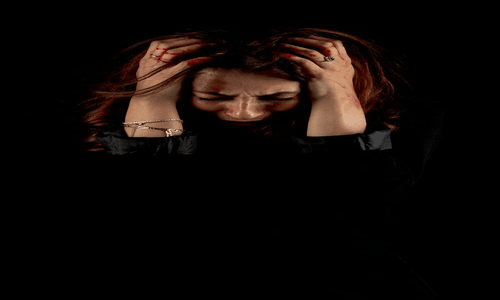
Trust is one of the most important foundations of any relationship, whether it exists within a marriage, family, friendship, or spiritual community. After all, it creates a sense of safety, connection, and emotional security.
But when that trust is suddenly broken through deception, infidelity, secrecy, or other forms of betrayal, the emotional impact can be too much sometimes. For many individuals, the resulting pain is greater than any ordinary disappointment and can develop into what mental health professionals call betrayal trauma.
Betrayal trauma symptoms can affect every aspect of your life, including your emotional well-being, physical health, relationships, and spiritual confidence. It is natural for people to struggle to understand why they continue to feel anxious, fearful, angry, or emotionally exhausted long after the betrayal has occurred. The truth is that betrayal can leave deep wounds that impact the mind, body, and soul.
And it is because of that that a lot of people turn to Christian counseling to provide valuable support by combining evidence-based therapeutic techniques with biblical principles that encourage healing, forgiveness, and restoration.
So, if you are unsure about what you are experiencing, whether it is betrayal trauma or something else, you can explore the most common symptoms.
Are You Experiencing Betrayal Trauma Symptoms?

The aftermath of betrayal typically affects people in ways they do not immediately pick up on. While some reactions and emotions surface right away, there are others that come up gradually and begin influencing emotions, thoughts, relationships, and even physical health. The good news is that you do not have to play a guessing game when it comes to your feelings.
At the end of the day, understanding betrayal trauma symptoms can help you identify whether your struggles stem from an unresolved breach of trust or ordinary stress and disappointment.
Although every person’s experience is unique, certain patterns tend to appear repeatedly among individuals recovering from betrayal. Here are some common signs that may indicate you are experiencing betrayal trauma.
1. Persistent Anxiety and Hypervigilance

One of the earliest and most recognizable signs of betrayal trauma is a constant state of alertness. After trust has been broken, the brain has a habit of moving into protection mode. Even when no immediate danger exists, you may find yourself scanning conversations for hidden meanings, questioning the motives of people around you, or replaying events repeatedly in your mind.
This heightened awareness is especially common among individuals experiencing partner betrayal trauma symptoms. A spouse’s dishonesty, emotional affair, or infidelity can shatter the sense of safety that once existed within your relationship. As a result, everything that they or anyone else does may suddenly seem threatening or uncertain.
This internal conflict ends up leaving people feeling exhausted and frustrated with themselves. And you are not wrong to feel this way, as it may be crucial to your overall health. In fact, a study found that interpersonal betrayal is associated with increased symptoms of anxiety, depression, and post-traumatic stress responses.
When this happens, hypervigilance ends up preventing you from feeling peace or emotionally at ease. But when you turn to Christian counseling, you can learn how to process painful experiences honestly while rebuilding trust in healthy ways with faith at the center.
2. Frequent Panic, Fear, or Feeling Overwhelmed

You might be surprised by the intensity of your emotional reactions after betrayal. Seemingly ordinary situations can trigger racing thoughts, a rapid heartbeat, sweating, or feelings of helplessness. These reactions tend to readily show up because the nervous system remains stuck in a heightened state of stress.
Among the most common effects of betrayal trauma is difficulty regulating emotions during moments of perceived threat. Something as simple as an unanswered text message or an unexpected change in routine can activate fear responses connected to the original betrayal. The mind begins preparing for danger even when no immediate threat exists.
But try not to be shocked. This reaction represents a natural betrayal trauma response rather than a personal weakness. The reason being that the brain is attempting to protect itself from future harm. However, living in a constant state of alertness can leave you emotionally exhausted and spiritually weary. As time passes, the fear of being hurt again may begin affecting relationships, decision-making, and overall well-being.
Many people find it difficult to deal with panic attacks because they are focused on preventing future pain rather than processing what has already happened. Christian therapy can help individuals work through these emotions by addressing both the emotional and spiritual impact of betrayal. Through a combination of therapeutic tools and biblical principles, it encourages healing, promotes emotional stability, and helps individuals regain a sense of peace without ignoring the reality of their experiences.
3. Difficulty Trusting Your Own Judgment

Some people eventually reach a point where they begin asking, what is betrayal trauma, and why does it continue affecting them long after the betrayal occurred. One reason is that betrayal can deeply disrupt a person’s confidence in their own judgment.
When someone repeatedly lies, manipulates information, or conceals important details, the betrayed person usually starts questioning their instincts. Thoughts such as “Maybe I imagined it” or “Perhaps I was too sensitive” become increasingly common. Eventually, self-doubt can replace confidence, making even simple decisions feel overwhelming.
If you are wondering, is betrayal trauma real? Research suggests that it is. A study by NIH examining interpersonal betrayal has found significant connections between betrayal experiences and trauma-related symptoms, including anxiety, emotional dysregulation, and intrusive thoughts.
And let’s not forget that the loss of trust in one’s own perception can affect nearly every area of life. Relationships become harder to navigate, and boundaries become more difficult to establish. Even your confidence takes a hit. If left unaddressed, this pattern may influence future decisions and lead to ongoing uncertainty.
4. Ongoing Anger and Emotional Resentment
When people ask, what does betrayal trauma feel like, anger is one of the most difficult emotions to describe. While grief and sadness tend to receive more attention, resentment can linger beneath the surface for months or even years after the betrayal occurred.
Betrayal creates a profound sense of injustice. Someone violated trust, crossed boundaries, or acted in ways that caused deep emotional harm. As a result, feelings of frustration may come up unexpectedly during conversations, family gatherings, or moments of reflection. In some cases, these reactions become noticeable signs of anger issues, especially when unresolved pain continues to accumulate.
Some people continue asking whether is betrayal trauma real because the intensity of their anger feels confusing or disproportionate. Strong emotional reactions are common when trust has been deeply broken. Remember, the closer the relationship, the greater the emotional impact tends to be.
Although anger is a natural response to betrayal, holding onto it for extended periods can affect emotional health, relationships, and personal growth. Healing does not require excusing harmful behavior or pretending that the betrayal never happened. Instead, it involves acknowledging the pain while learning how to process it constructively.
Finding Hope and Healing After Betrayal
Healing from betrayal is not something that is easy. The emotional wounds tend to run deep and affect relationships, physical well-being, spiritual confidence, and daily functioning. That is why recognizing betrayal trauma symptoms is an important first step because awareness creates an opportunity for meaningful healing and growth.
At Living Water Counseling Center, we believe lasting transformation occurs when individuals address the whole issue rather than focusing solely on surface-level symptoms. Through compassionate Christian counseling, biblical guidance, and practical therapeutic tools, our team helps individuals process painful experiences, break unhealthy patterns, and move toward restoration.
If betrayal has left you feeling overwhelmed, isolated, or uncertain about the future, you do not have to navigate the journey alone. Healing is possible, and a renewed sense of hope can begin today.